


Busan to Singyeongju: Trains, Buses, Fares, Today's Connections, Routes, Duration, Types of Trains, Station Guides, Tips, Journey

Korea Train Tickets

Scan QR code, download App to see Busan's more live update, station guide, plan and photos
apple-store google-store

Train schedule Busan(부산) to Singyeongju(신경주)


Popular train routes departing from Busan(부산)


Popular train routes arriving in Busan(부산)


Popular train routes departing from Singyeongju(신경주)


Popular train routes arriving in Singyeongju(신경주)


Departure

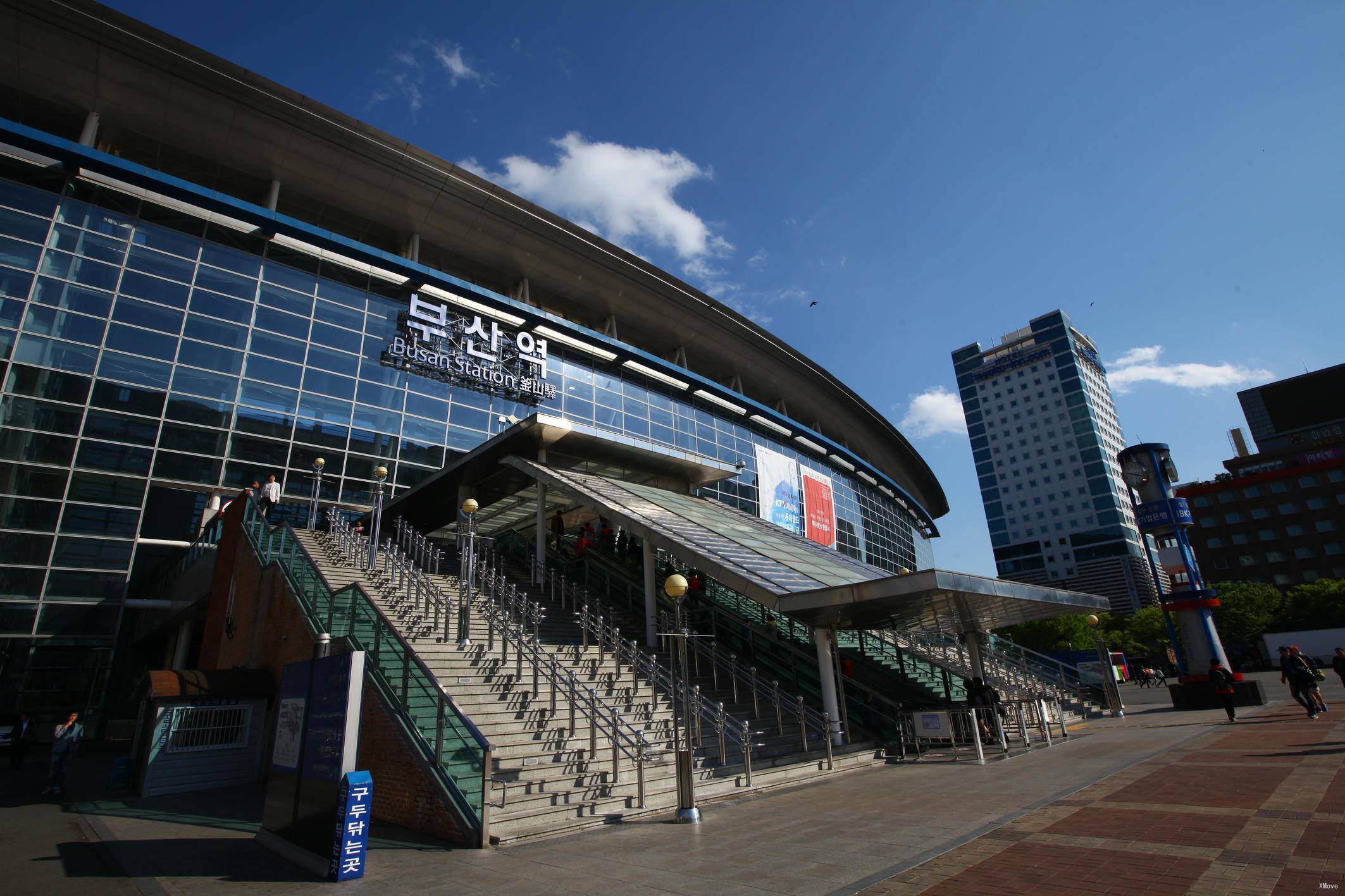
Busan (Korean pronunciation: [pusan]), formerly Romanized as Pusan and now officially Busan Metropolitan City, is South Korea's second most-populous city after Seoul, with a population of over 3.5 million inhabitants. It is the economic, cultural and educational center of southeastern Korea, with its port—Korea's busiest and the fifth-busiest in the world —only about 120 miles (190 km) from the Japanese islands of Kyushu and Honshu. The surrounding "Southeast Economic Zone" (including Ulsan and South Gyeongsang) is South Korea's largest industrial area. Busan is divided into 15 major administrative districts and a single county, together housing a population of approximately 3.6 million. The full metropolitan area, including the adjacent cities of Gimhae and Yangsan, has a population of approximately 4.6 million. The most densely built-up areas of the city are situated in a number of narrow valleys between the Nakdong and the Suyeong Rivers, with mountains separating most of the districts. The Nakdong is Korea's longest river and Busan's Haeundae Beach is also the country's largest. Busan is a center for international conventions, hosting APEC in 2005. It is also a center for sports tournaments in Korea, having hosted the 2002 Asian Games and FIFA World Cup. It is home to the world's largest department store, the Shinsegae Centum City. Busan was added to the UNESCO Creative Cities Network as a "City of Film" in December 2014.

Busan - Guide, Attractions, Tours, Sightseeings | Train from/to Busan | Popular Routes

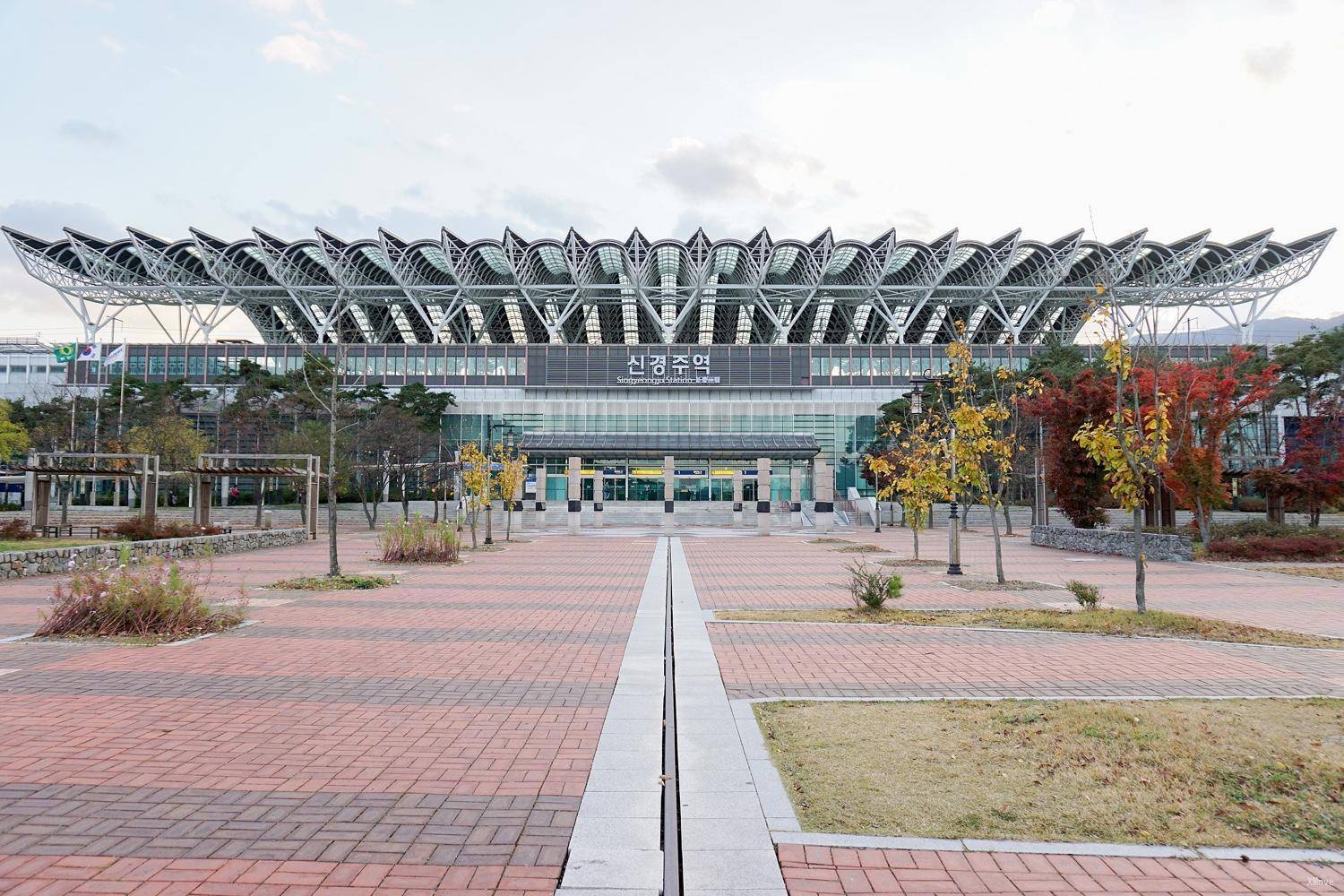
Gyeongju (Korean: 경주, pronounced [kʲʌŋ.dʑu]), historically known as Seorabeol (Korean: 서라벌, pronounced [sʌ.ɾa.bʌl]), is a coastal city in the far southeastern corner of North Gyeongsang Province in South Korea. It is the second largest city by area in the province after Andong, covering 1,324 km2 (511 sq mi) with a population of 264,091 people (as of December 2012.) Gyeongju is 370 km (230 mi) southeast of Seoul, and 55 km (34 mi) east of Daegu. The city borders Cheongdo and Yeongcheon to the west, Ulsan to the south and Pohang to the north, while to the east lies the coast of the Sea of Japan. Numerous low mountains—outliers of the Taebaek range—are scattered around the city.Gyeongju was the capital of the ancient kingdom of Silla (57 BC – 935 AD), which ruled about two-thirds of the Korean Peninsula at its height between the 7th and 9th centuries, for close to one thousand years. Later Silla was a prosperous and wealthy country, and its metropolitan capital of Gyeongju was the fourth largest city in the world. A vast number of archaeological sites and cultural properties from this period remain in the city. Gyeongju is often referred to as "the museum without walls". Among such historical treasures, Seokguram grotto, Bulguksa temple, Gyeongju Historic Areas and Yangdong Folk Village are designated as World Heritage Sites by UNESCO. The many major historical sites have helped Gyeongju become one of the most popular tourist destinations in South Korea.The city of Gyeongju was united with the nearby rural Gyeongju County in 1995 and is now an urban–rural complex. It is similar to 53 other small- and medium-sized cities with a population under 300,000 people in South Korea. As well as its rich historical heritage, Gyeongju today is affected by the economic, demographic, and social trends that have shaped modern South Korean culture. Tourism remains the major economic driver, but manufacturing activities have developed due to its proximity to major industrial centers such as Ulsan and Pohang. Gyeongju is connected to the nationwide rail and highway networks, which facilitate industrial and tourist traffic.

Gyeongju Si - Guide, Attractions, Tours, Sightseeings | Train from/to Gyeongju Si | Popular Routes
Destination

Korea Train Tickets

Scan QR code, download App to see Busan's more live update, station guide, plan and photos
apple-store google-store

Hot Journeys


Main Railway Operators


Ultimate Guide to Korean Railway
Korean Railway

Ultimate Guide to Korea Railway

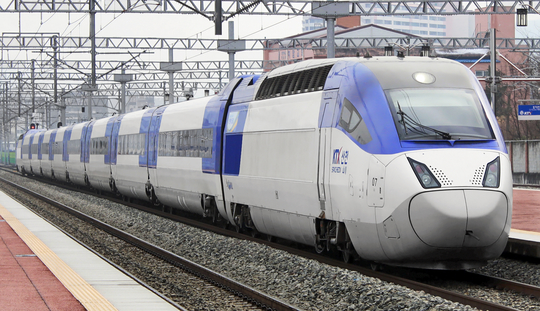
Trains are one of the best means of transportation when traveling between cities in Korea. South Korean trains are divided into three levels according to the speed of the train and the conveniences in the train: the first level is high-speed railway, including KTX and KTX-Shanchuan trains. The second level is electric EMU, including ITX Youth, ITX Xincun and Nuriro. The third level is diesel EMUs, including Infinity Flower, Xincun, diesel-electric commuter trains and sightseeing trains, and the prices are also different. The Gyeongbu Line and the Honam Line are the main hubs of Korean Railways. In addition, there are Jeolla Line and Gyeongjeon Line that connect Yeosu, Changwon and other regions, and Gyeongui Line, Gyeongchun Line, Jungang Line and Dongh...