Seoul to Miryang: Trains, Buses, Fares, Today's Connections, Routes, Duration, Types of Trains, Station Guides, Tips, Journey

Korea Train Tickets

Scan QR code, download App to see Seoul's more live update, station guide, plan and photos
apple-store google-store

Train schedule Seoul(서울) to Miryang(밀양)


Popular train routes departing from Seoul(서울)


Popular train routes arriving in Seoul(서울)


Popular train routes departing from Miryang(밀양)


Popular train routes arriving in Miryang(밀양)


Departure

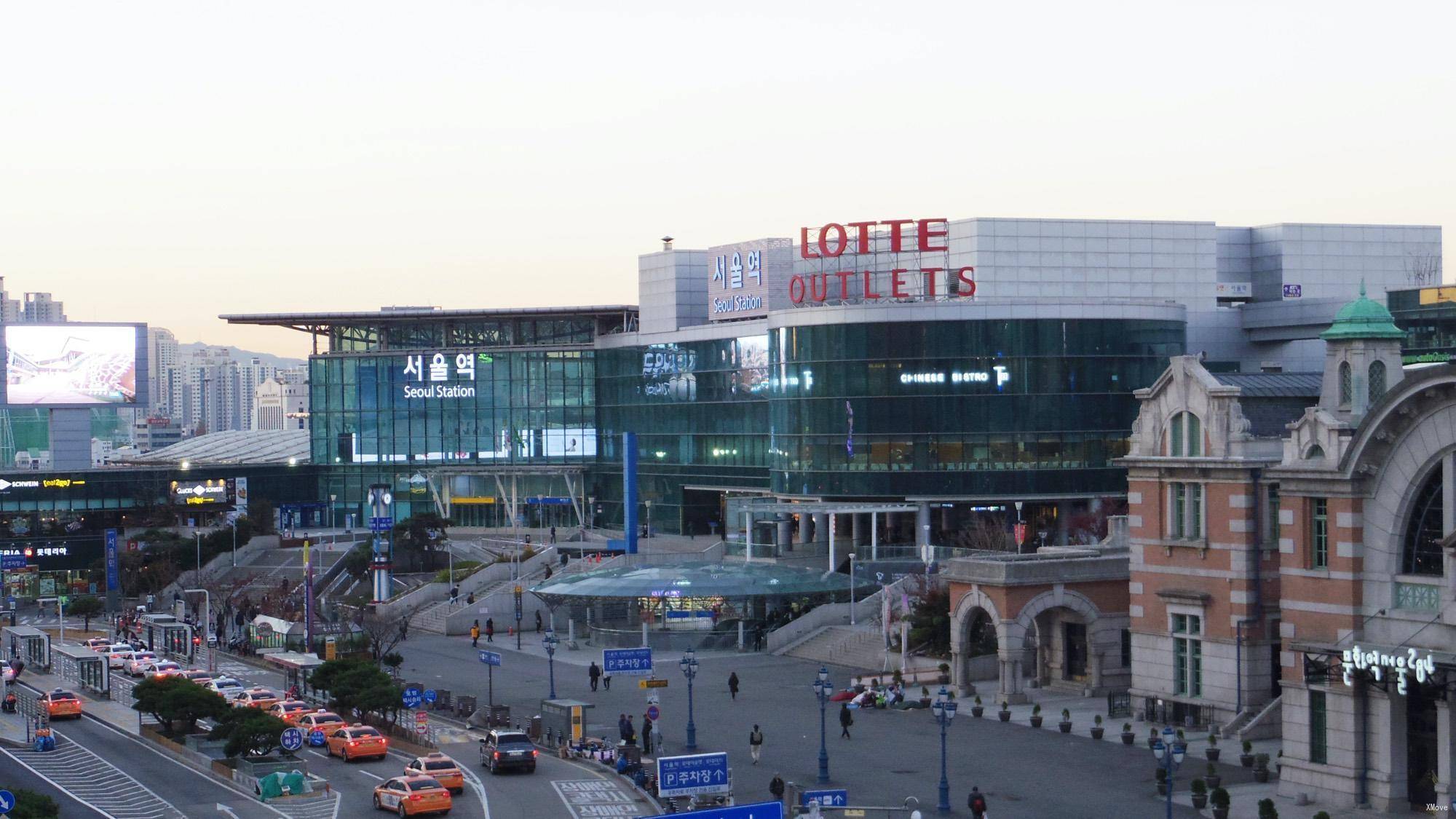
Seoul (, like soul; Korean: 서울 [sʌ.ul] ; lit. "Capital"), officially the Seoul Special City, is the capital and largest metropolis of South Korea. With surrounding Incheon metropolis and Gyeonggi province, Seoul forms the heart of the Seoul Capital Area. Strategically situated along the Han River, Seoul's history stretches back over two thousand years, when it was founded in 18 BCE by the people of Baekje, one of the Three Kingdoms of Korea. The city was later designated the capital of Korea under the Joseon dynasty. Seoul is surrounded by a mountainous and hilly landscape, with Bukhan Mountain located on the northern edge of the city. As with its long history, the Seoul Capital Area contains five UNESCO World Heritage Sites: Changdeok Palace, Hwaseong Fortress, Jongmyo Shrine, Namhansanseong and the Royal Tombs of the Joseon Dynasty. More recently, Seoul has been a major site of modern architectural construction – major modern landmarks include the N Seoul Tower, the 63 Building, the Lotte World Tower, the Dongdaemun Design Plaza, Lotte World, Trade Tower, COEX, and the IFC Seoul. Seoul was named the 2010 World Design Capital. As the birthplace of K-pop and the Korean Wave, Seoul received over 10 million international visitors in 2014, making it the world's 9th most visited city and 4th largest earner in tourism.Today, Seoul is considered a leading and rising global city, resulting from the South Korean economic boom – commonly referred to as the Miracle on the Han River – which transformed it into the world's 4th largest metropolitan economy with a GDP of US$635.4 billion in 2014 after Tokyo, New York City and Los Angeles. International visitors generally reach Seoul via AREX from the Incheon International Airport, notable for having been rated the best airport for nine consecutive years (2005–2013) by the Airports Council International. In 2015, it was rated Asia's most livable city with the second highest quality of life globally by Arcadis, with the GDP per capita (PPP) in Seoul being $39,786. Inhabitants of Seoul are faced with a high cost of living, for which the city was ranked 6th globally in 2017. Seoul is also an extremely expensive real estate market, ranked 5th in the world for the price of apartments in the downtown center. With major technology hubs centered in Gangnam and Digital Media City, the Seoul Capital Area is home to the headquarters of 15 Fortune Global 500 companies, including Samsung, LG, and Hyundai. Ranked sixth in the Global Power City Index and Global Financial Centres Index, the metropolis exerts a major influence in global affairs as one of the five leading hosts of global conferences. Seoul has hosted the 1986 Asian Games, 1988 Summer Olympics, 2002 FIFA World Cup, and more recently the 2010 G-20 Seoul summit.

Seoul - Guide, Attractions, Tours, Sightseeings | Train from/to Seoul | Popular Routes

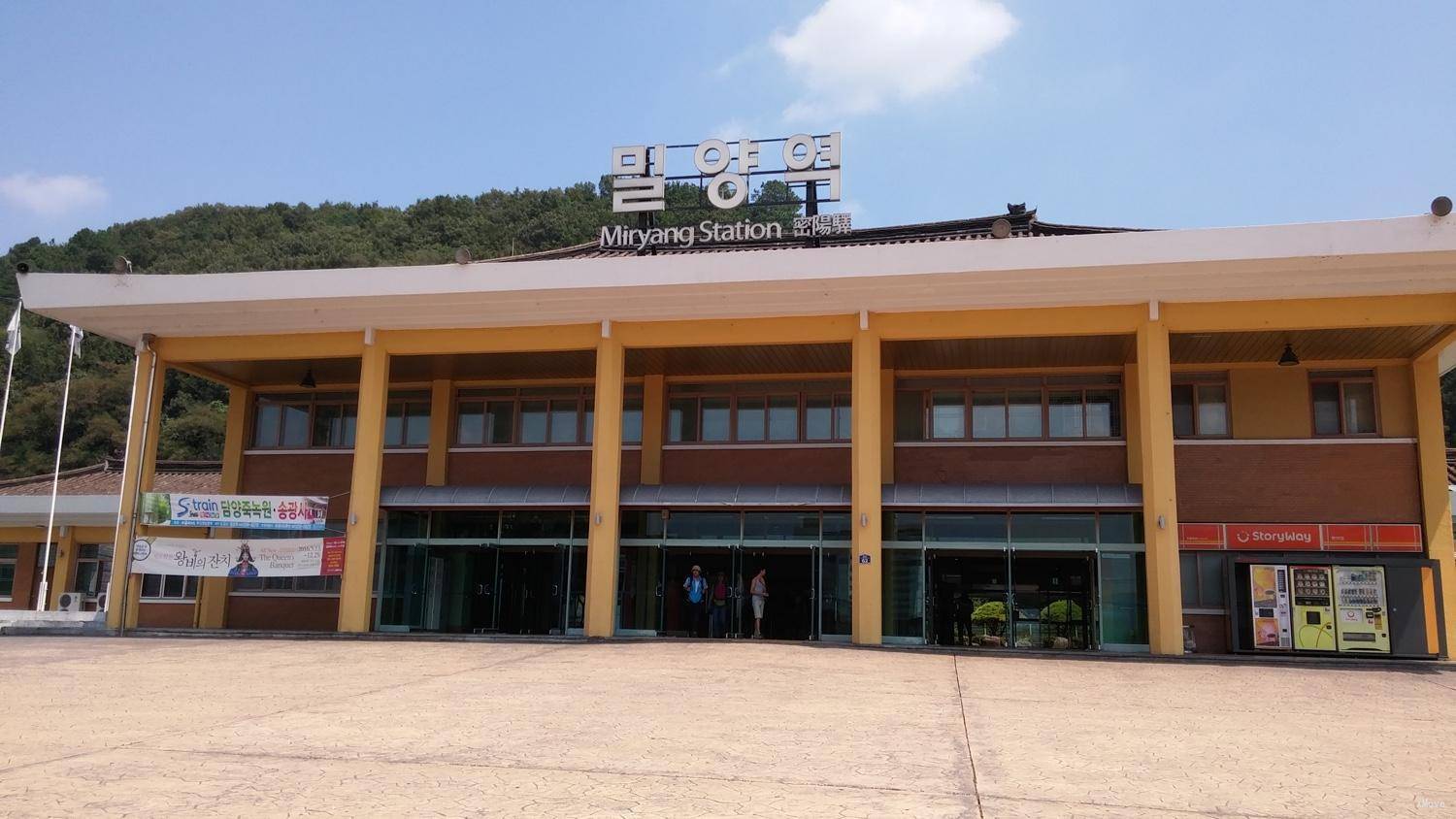
Miryang (Korean pronunciation: [mi.ɾjaŋ]), often spelled Milyang, is a city in Gyeongsangnam-do Province, South Korea. Neighboring cities include Changnyeong to the west, Cheongdo to the north, Ulsan to the east, and Yangsan, Gimhae, and Changwon to the south. The city bird is the Korean magpie, the city tree is the pine, and the city flower is the royal azalea. The recorded history of Miryang begins in the Samhan period, when it was known as Mirimidongguk. Due to its strategic location near the Nakdong River, Miryang played an important role from the Silla period forward. It served as an important station on the Great Yeongnam Road during the later Joseon Dynasty, and in the 20th century it became a station on the Gyeongbu Line railroad that connects Busan to Seoul. Miryang remains a key stop along that line, and is now the only city between Busan and Daegu served by KTX express trains. Miryang is known around Korea for the Miryang arirang and for the view from the Yeongnamnu pavilion, subject of numerous poems from the Joseon Dynasty. Other noted landmarks include Eoreumgol and the temple of Pyochungsa. Famous people from Miryang include 15th-century Neo-Confucian scholar Kim Jong-jik and 16th-century warrior-monk Songun Yu Jeong. The city government works actively to maintain the memory of these figures, and of other local cultural features such as the tale of Arang. Miryang gained national attention as the location of a notorious gang rape incident in 2004. At least 41 male high school students raped a middle school girl, while assaulting her younger sister and cousin, over the course of 11 months. Despite this atrocity, many Miryang residents blamed the victims for "seducing" the boys, and even the Miryang police officers prevented a thorough investigation, telling the victims that "Miryang is my hometown, and you ruined our city's reputation." All offenders were released with light punishments, which include in-class suspension and community service. None of the boys had to register as sex offenders. The rapists are presumed to be leading normal lives, while the victims have attempted to commit suicide numerous times.

Miryang - Guide, Attractions, Tours, Sightseeings | Train from/to Miryang | Popular Routes
Destination

Korea Train Tickets

Scan QR code, download App to see Seoul's more live update, station guide, plan and photos
apple-store google-store

Hot Journeys


Main Railway Operators


Ultimate Guide to Korean Railway

Korean Railway

Ultimate Guide to Korea Railway

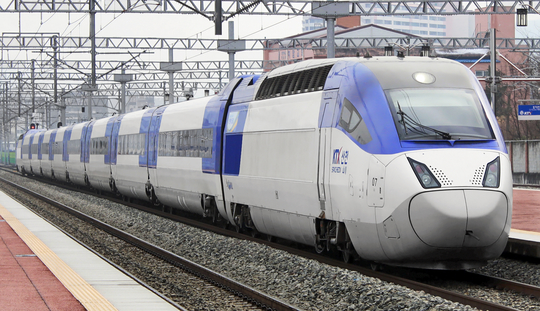
Trains are one of the best means of transportation when traveling between cities in Korea. South Korean trains are divided into three levels according to the speed of the train and the conveniences in the train: the first level is high-speed railway, including KTX and KTX-Shanchuan trains. The second level is electric EMU, including ITX Youth, ITX Xincun and Nuriro. The third level is diesel EMUs, including Infinity Flower, Xincun, diesel-electric commuter trains and sightseeing trains, and the prices are also different. The Gyeongbu Line and the Honam Line are the main hubs of Korean Railways. In addition, there are Jeolla Line and Gyeongjeon Line that connect Yeosu, Changwon and other regions, and Gyeongui Line, Gyeongchun Line, Jungang Line and Dongh...