
Isla Gorgona is a Pacific Ocean island of Colombia 35 km from the mainland.
Parque Nacional Natural Isla Gorgona is an small island 35 km off the Colombian Pacific Coast. There are 2 main islands (Gorgona and Gorgonilla) and 2 tiny rocky keys. The main island of Gorgona is around 26 km2 in area. There are no permanent residents on the island.
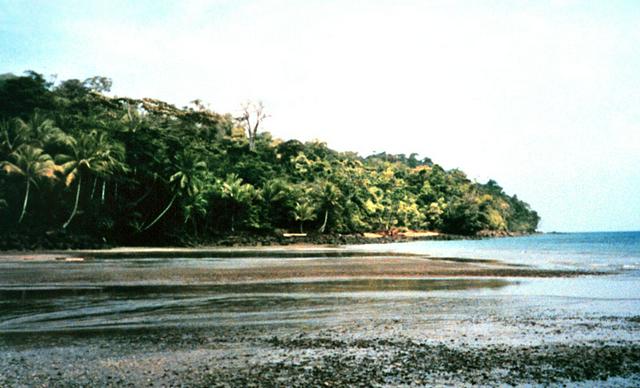
Spanish conquerors visited the island for periods of time from the 15th to the 18th century. Simon Bolivar, liberator of Colombia, gave the island as to an English army man who helped with the local war of independence against Spain. The island was retained by his descendants until the mid-20th century when the country claimed back the territory (by law, all islands belong to the central government).
It was a prison island from 1960 until 1984 when the prison was closed and the island became a national park. The ancient houses of the personnel working at the prison were remodeled and reconverted into a research centre, comfortable accommodation and a restaurant. Since 1985 exuberant rainforest populated again the island. A section of the old prison can be still visited. In the 21st century a concession was given to a tourist company to run a private and secluded hotel.
The island is covered with tropical forest, which includes 46 species of reptile, 18 of these snakes, bats, sloths, monkeys, tortoises, and the abundant marine life in its waters which can be seen snorkeling from the beach or diving.
The ocean is roamed by sea turtles, whales, whalesharks, whitetip sharks and a lot of other fish species.
From mid-June till November is whale season. Male humpback whales can be seen breaching while the females and their offspring come close to the island at the surface to breath.
Warm and wet.
The entrance to the park is COP$31,000 and has to be paid in advanced together with the cost of accommodation. Aviatur has the concession for Isla Gorgona. You can get your entry fee at any Aviatur location (there is one in Buenaventura, as well as locations in Cali, +57 2 664 5050
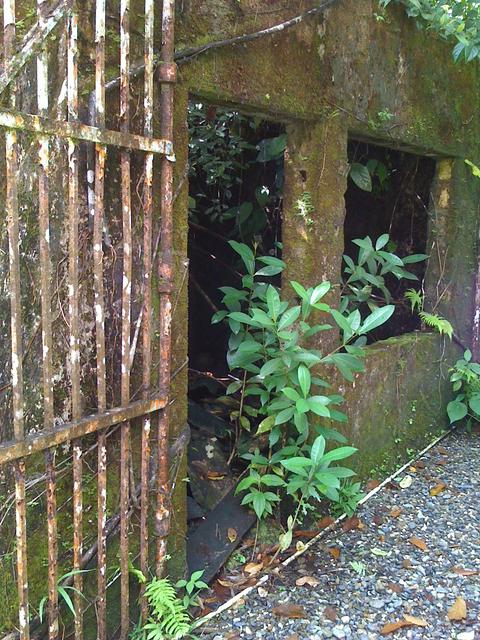
Tour around part of the old prison located on the island. Until 1984, the island had been a maximum security prison designed for 1,500 but holding up to 2,000 prisoners. Conditions were appalling, with rooms for torture including one, the " bottle" where the victim was forced to stand for days in the impossibly tiny cell not more than 60 cm (2 feet) wide, with a central hole as a toilet & meager rations dropped in from above.
- Diving is the main reason people visit this island. There is one dive shop. The prices are low and the equipment is what you expect for that price. The dive sites are amazing and it is likely you see seaturtles, moreens and whitefin sharks. If you are really lucky you might see a whale or a whaleshark. It's possible to do a PADI open water or a PADI advance courses.
- Watch humpback whales: around 1,200 humpback whales are expected to arrive every June - July in the Pacific ocean waters of Isla Gorgona, Utria and Sanquianga National Parks. A small number of lucky tourists get to see this spectacle every year. The whales spend the summer months feeding in polar waters and head to tropical waters in winter for mating and calving, traveling more than 15,000 km. They are black, grey and white, can grow up to 18 m long and weigh up to 40 tons.
- Liveaboard diving is another way to explore this very unknown diving destinations. Colombia Dive Adventures offers 4 nights trips from Buenaventura.
Diving is the main reason people visit this island. There is one dive shop. The prices are low and the equipment is what you expect for that price. The dive sites are amazing and it is likely you see seaturtles, moreens and whitefin sharks. If you are really lucky you might see a whale or a whaleshark. It's possible to do a PADI open water or a PADI advance courses.
Watch humpback whales: around 1,200 humpback whales are expected to arrive every June - July in the Pacific ocean waters of Isla Gorgona, Utria and Sanquianga National Parks. A small number of lucky tourists get to see this spectacle every year. The whales spend the summer months feeding in polar waters and head to tropical waters in winter for mating and calving, traveling more than 15,000 km. They are black, grey and white, can grow up to 18 m long and weigh up to 40 tons.
There is a small souvenir shop. However, take everything you need with you.
There is only one restaurant. The meals are good, but prepare for lots of seafood and rice. Three meals included in the accommodation cost (see budget section).
As a national park, alcohol is not permitted in the island.
Vaccination against yellow fever, tetanus and hepatitus B is recommended.
There are several species of poisonous snakes on the island. Walking to playa Blanca and further is only allowed with guide and rubber boots (you can rent them at restaurant for COP$7,000). After 5PM, it's advisable to wear rubber boots and use torches. The hotel is well designed to avoid snakes and every tour guide will teach you simple rules to be safe at all times. No snake bites have been reported since the hotel opened 5 years ago.