
Saint Martins Island is in the Chittagong Division of Bangladesh and lies about 10 km south-west of the southern tip of the mainland.
Saint Martins is a tropical cliché and the only coral island in the country, with beaches fringed with coconut palms and laid-back locals. It's a clean and peaceful place with nothing more strenuous to do than soak up the rays — even mosquitoes are a rarity. There's a naval base near the center of the island, and the USA looked into setting up one of their own. The island was devastated by a cyclone in 1991 but has fully recovered, and was untouched by the 2004 tsunami.
It is possible to walk around Saint Martins in a day since it measures only 8 km², shrinking to about 5 km² during high tide. Most of the island's 7000 inhabitants live primarily from fishing, and between October and April fishermen from neighboring areas bring their catch to the island's temporary wholesale market. Rice and coconuts are the other staple crops, and algae is collected and dried from the sea rocks and sold for consumption to Myanmar.
Most things are concentrated around the far north of the island, with the center and south being mostly farmland and makeshift huts. There is no electricity on the island, though the larger hotels run generators in the evenings for a few hours.
November to February is the main tourist season with the best weather, though keep an eye on the forecast, as the occasional cyclone can strike during this time.
- Sunrise on the east side of the island, and after a lazy day head over to the west side for sunset. Sunset Point is a rocky peninsula on the northwest corner of the island, near Saint Martin's Resort, which exists only at low tide — a popular spot if sunset and low tide coincide.
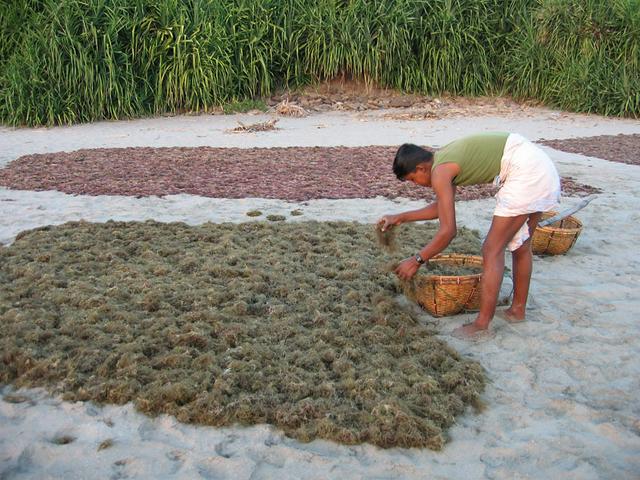
- Village life is slow paced — most work happens in the morning and evening, while midday is reserved for drying fish and rice and selling your coconuts. Or, more likely, sitting in the shade chewing paan.
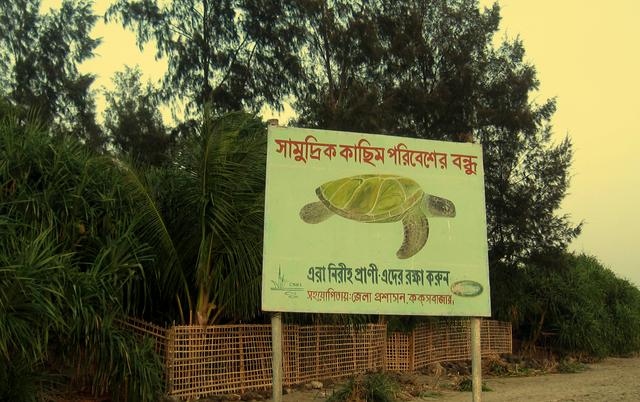
- There's a Sea Turtle Hatchery on the west side of the island south of Shemana Pereye Resort. It's not open to visitors, but it's usually empty and the gate unlocked. If it's the right season there will be several bamboo cages in the sand with eggs buried under them — not much to see, but it's nice to know that good work is being done. This is under the Sea Turtle Conservation Project STURCNET (Sea Turtle Conservation Network).
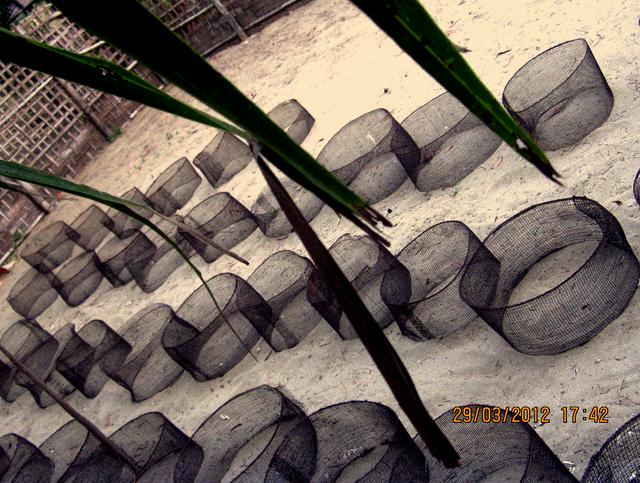 The first tag was attached in 2000, and in January 2003, a total of 65 tags had been attached to nesting Green and Olive Ridley turtles. The conservation project has so far included activities such as: monitoring of nesting turtles along the coastline; in situ conservation efforts, including protecting nesting beaches; protecting nesting females from predatory hazards, such as dogs; ex situ conservation through hatcheries; and an awareness-raising campaign about sea turtle conservation.
 - Stars are amazingly plentiful on a moonless night, due to the lack of electricity on the island.
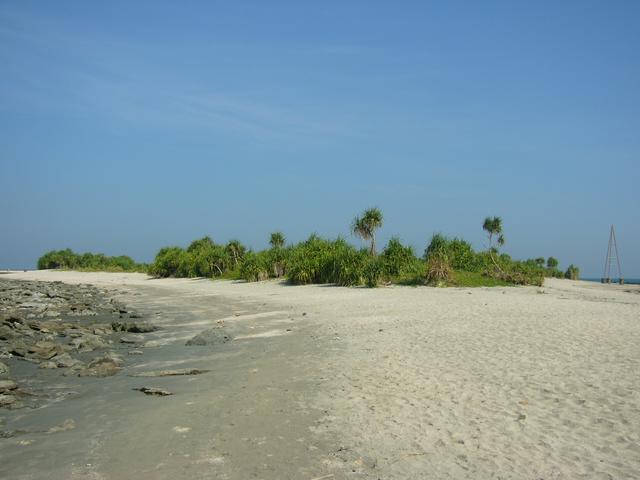
- Rock Beach, Dhakinmatha, (Last point of the Island. The southern point of the island has millions of years old rock formed from coral. The area is popular as Rock Beach and can be visited on foot. A 10-15 minutes track can be explored within the area by taking permission from the local land owners to see wild life including lizard, migratory birds and unique sweet water turtles habitat.
Sunrise on the east side of the island, and after a lazy day head over to the west side for sunset. Sunset Point is a rocky peninsula on the northwest corner of the island, near Saint Martin's Resort, which exists only at low tide — a popular spot if sunset and low tide coincide.
Village life is slow paced — most work happens in the morning and evening, while midday is reserved for drying fish and rice and selling your coconuts. Or, more likely, sitting in the shade chewing paan.
There's a Sea Turtle Hatchery on the west side of the island south of Shemana Pereye Resort. It's not open to visitors, but it's usually empty and the gate unlocked. If it's the right season there will be several bamboo cages in the sand with eggs buried under them — not much to see, but it's nice to know that good work is being done. This is under the Sea Turtle Conservation Project STURCNET (Sea Turtle Conservation Network).
Stars are amazingly plentiful on a moonless night, due to the lack of electricity on the island.
Rock Beach, Dhakinmatha, (Last point of the Island. The southern point of the island has millions of years old rock formed from coral. The area is popular as Rock Beach and can be visited on foot. A 10-15 minutes track can be explored within the area by taking permission from the local land owners to see wild life including lizard, migratory birds and unique sweet water turtles habitat.
- Oceanic Scuba Dive Center, +880 2 955 9751. This is the only dive operation in the country, and is run by a friendly group of ex-navy divers. They only visit one site at the southeast of the island (off Chera Dwip), which is unspectacular but still makes for a nice boat ride and the most activity you could hope for during your stay on the island. They're working towards buying a 'German' boat which will allow them to explore sites further out to sea, which may yield some better diving and more sea life. Prices are a little high (and negotiable), but consider that you're contributing to these guys' livelihood and towards expanding the opportunity for future diving. They've also got one bamboo guest hut with two beds if you're diving with them, and they'll cook all your meals for you — an alternative to the lackluster budget accommodation on the island. Food and lodging are by donation. On a safety note, this is nothing like a PADI certified dive center, and beginners should take care, especially alone — a guide/buddy is not included (though there's a good chance one of the guys will still come down with you). Tk 2000/dive, Tk 500 snorkel gear rental, Tk 600-800 boat fee.
- Walk the beach to the southern island of Chera Dwip, accessible on foot along a narrow strip of land at low tide, or via a boat shuttle (Tk 5/person) at high tide. Beware of sharp rocks if wading through the water; sandals are ideal. Walking the length of the island takes around 1½ hours. Take some sunscreen and water (though there's an occasional shack selling drinks, coconuts and snacks).
Oceanic Scuba Dive Center, +880 2 955 9751. This is the only dive operation in the country, and is run by a friendly group of ex-navy divers. They only visit one site at the southeast of the island (off Chera Dwip), which is unspectacular but still makes for a nice boat ride and the most activity you could hope for during your stay on the island. They're working towards buying a 'German' boat which will allow them to explore sites further out to sea, which may yield some better diving and more sea life. Prices are a little high (and negotiable), but consider that you're contributing to these guys' livelihood and towards expanding the opportunity for future diving. They've also got one bamboo guest hut with two beds if you're diving with them, and they'll cook all your meals for you — an alternative to the lackluster budget accommodation on the island. Food and lodging are by donation. On a safety note, this is nothing like a PADI certified dive center, and beginners should take care, especially alone — a guide/buddy is not included (though there's a good chance one of the guys will still come down with you). Tk 2000/dive, Tk 500 snorkel gear rental, Tk 600-800 boat fee.
Walk the beach to the southern island of Chera Dwip, accessible on foot along a narrow strip of land at low tide, or via a boat shuttle (Tk 5/person) at high tide. Beware of sharp rocks if wading through the water; sandals are ideal. Walking the length of the island takes around 1½ hours. Take some sunscreen and water (though there's an occasional shack selling drinks, coconuts and snacks).
There are many small shops near the dock/port and along the main road selling very basic necessities and the odd souvenir t-shirts, hats, dry fish, shoe, sandals, dry foods, cosmetics & toiletries and sunglasses and many more. These are relatively cheap from the main town. Specially one must buy dry fish from here, it's relatively cheap and high quality. There are also few restaurants along with the main road of Saint Martins Island. The foods are cheap and good quality to eat. Anyone can complete the breakfast, lunch and dinner with various sea foods. Everyone should taste the experience with different sea fishes and food, if once go there.
Sea shells and things made from them are sold by little children around the island, but it's illegal and leads to the depletion of sea life. If any one go there, please not to buy those and encourage others not to buy those. These will slowly damage this Island and the natural life. There are also some fake product come from Myanmar and China. Please try to avoid those and buy the real one.
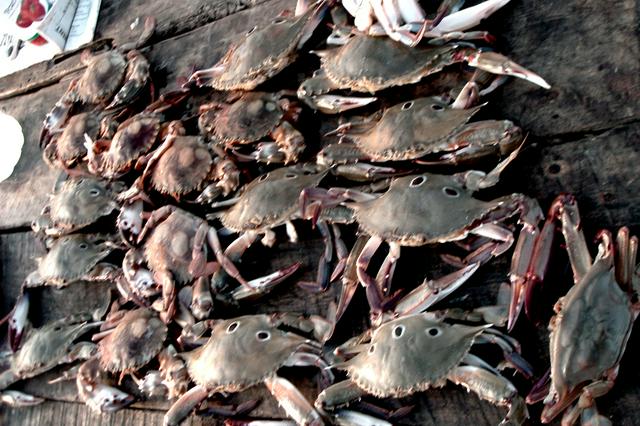 Food is a little more expensive here than on the mainland.
The food shacks that line the road to the port all cook up similar fare: parothas (Tk 8), omelettes (egg, Tk 20) and vegetable curry (Tk 20) for breakfast, and (fish, dal, rice and veggies at Tk 130) the rest of the day. Cha is Tk 8.
All of the hotels also have restaurants with basically the same typical Bangladeshi offerings, with higher prices and better quality than those near the port. Chicken is sometimes available but not very tasty, and lobster and crab may be available occasionally at very high prices. The restaurant at Blue Marine Resort and Appayan at Saint Martin's Resort are the best on the island.
The islanders also sell dried fish, which is a bit more expensive but fresher than those available upshore in Cox's Bazaar.
Early morning is the best time to get fresh fish from the fisherman near the market, you can often bring it to your hotel chef and ask him to fry it up the way you like, or some places may do a nice evening barbeque. Some places may even give you kitchen access to cook it yourself if you ask.
- Coconuts are the drink of choice (Tk 25), and coconut pushers are to be found along the length of the island, getting slightly less aggressive as you move south.
- Alcohol may be available at the larger hotels or if you ask discreetly near the port, though there is not even a hint of nightlife.
Coconuts are the drink of choice (Tk 25), and coconut pushers are to be found along the length of the island, getting slightly less aggressive as you move south.
Alcohol may be available at the larger hotels or if you ask discreetly near the port, though there is not even a hint of nightlife.
The island has seen a massive increase in tourism (mostly Bangladeshis) over the last few years, and the fragile ecosystem on the island is not well equipped to handle it. Do what you can to encourage eco-friendly practices, and definitely don't litter the island. It's also a good idea to avoid eating fish at every meal on an island where overfishing is a major problem and sea life is rapidly vanishing.
If you come across sea turtles or their eggs, keep a reasonable distance and don't disturb these fascinating but fragile creatures.
Westerners should be alert to the modest lifestyle of the islanders, especially women. It is not a good idea to swim in public places in western bathing suits, and modest dress is appropriate for both women and men.
There are no landlines, but cell phones work well, due to a few very imposing cell phone towers dotted around the island. Grameenphone, Robi, Banglalink, and Airtel are the service providers and well establish here.
There is no internet on the island, the nearest is in Cox's Bazaar. Otherwise there is internet modems which use the same signal of mobile companies with decent speed.
 As tempting as it may be to cross into Myanmar, it is illegal and very unlikely that you could arrange a boat from here anyhow. Simply enjoy the views of the coast during the boat journey, and if you're intent on going, head up to Dhaka, get a visa, and fly from there.