
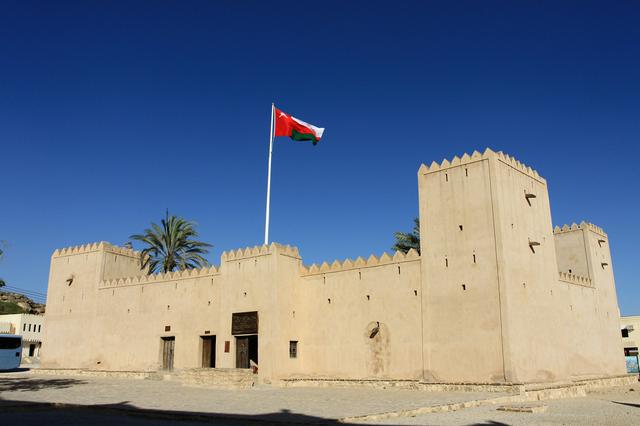
 Taqah is a town in Dhofar.
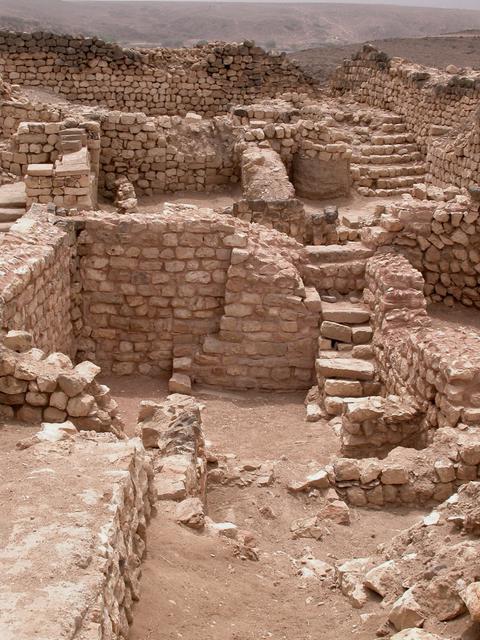
- Sumhuram Archeological Park. A UNESCO World Heritage Site located in the ancient city of Khor Rori, which flourished in the frankincense and copper trade between the 3rd century BCE and the 5th Century CE. It was the most important pre-Islamic settlement on the Arabian Peninsula and a center for trade with India, China, other Arab civilizations, and Mesopotamia. RO 2.
- Khor Rori. This estuary is a protected area for migratory birds, including flamingos during the winter months.
- Taqah Fort, Taqah. Sa-Th 9am-4pm, F 8am-11am. A fully restored 19th-century mudbrick fort, formerly the residence of the wali (governor). The building now houses a small museum. 500 Bzs.
- Wadi Darbat. This is a lush green wadi with a river running through it, even during the hottest months (May/June). To reach the wadi drive into the mountains and then take a turn off for Wadi Darbat. The winding road leads you to a lush oasis, with picnic spots shaded by large trees. The hills surrounding the wadi are full of caves, many with cave paintings as yet undated and within easy hiking distance. At the end of the road is a small cafe offering drinks and snacks.
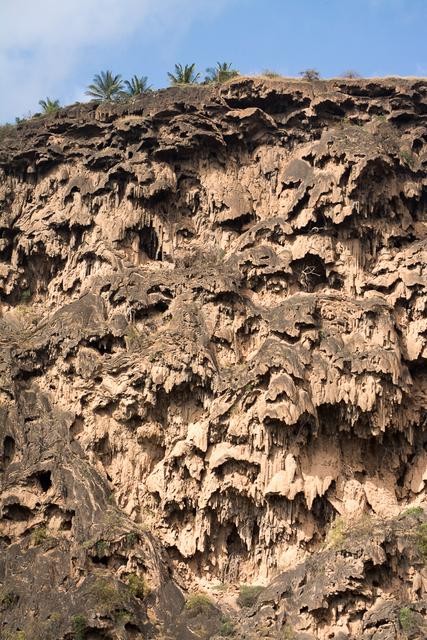
- Travertine Curtain. A 150m-high escarpment marked with unusual geological formations, formed by the precipitation of calcium carbonate from seasonal waterflow. During the khareef all of the water from Wadi Darbat empties over this cliff face creating a spectacular seasonal waterfall. During the dry season the geological features can be more fully appreciated. To best see this, take the (unsigned) road immediately to the left of the road to Wadi Darbat; this leads to a car park, with a footpath heading through the trees to a better viewing area.
- Qasbar Fort. An old ruined fort with commanding views of the surrounding area. The fort and the ruins scattered around it have been tentatively dated to the Sumhuram period, although no excavations have been carried out. The site was later occupied by the Portuguese, and used again during the Dhofar Rebellion. A well-worn footpath leads to the fort from the dirt road; plan on about 2 hours for the round trip hike. Note: this hike is best done in the dry season when there is no grass, as the area is known for Arabian cobras.
Sumhuram Archeological Park. A [[UNESCO]] World Heritage Site located in the ancient city of Khor Rori, which flourished in the frankincense and copper trade between the 3rd century BCE and the 5th Century CE. It was the most important pre-Islamic settlement on the Arabian Peninsula and a center for trade with India, China, other Arab civilizations, and Mesopotamia. RO 2.
Khor Rori. This estuary is a protected area for migratory birds, including flamingos during the winter months.
Taqah Fort, Taqah. Sa-Th 9am-4pm, F 8am-11am. A fully restored 19th-century mudbrick fort, formerly the residence of the wali (governor). The building now houses a small museum. 500 Bzs.
Wadi Darbat. This is a lush green wadi with a river running through it, even during the hottest months (May/June). To reach the wadi drive into the mountains and then take a turn off for Wadi Darbat. The winding road leads you to a lush oasis, with picnic spots shaded by large trees. The hills surrounding the wadi are full of caves, many with cave paintings as yet undated and within easy hiking distance. At the end of the road is a small cafe offering drinks and snacks.
Travertine Curtain. A 150m-high escarpment marked with unusual geological formations, formed by the precipitation of calcium carbonate from seasonal waterflow. During the khareef all of the water from Wadi Darbat empties over this cliff face creating a spectacular seasonal waterfall. During the dry season the geological features can be more fully appreciated. To best see this, take the (unsigned) road immediately to the left of the road to Wadi Darbat; this leads to a car park, with a footpath heading through the trees to a better viewing area.
Qasbar Fort. An old ruined fort with commanding views of the surrounding area. The fort and the ruins scattered around it have been tentatively dated to the Sumhuram period, although no excavations have been carried out. The site was later occupied by the Portuguese, and used again during the Dhofar Rebellion. A well-worn footpath leads to the fort from the dirt road; plan on about 2 hours for the round trip hike. Note: this hike is best done in the dry season when there is no grass, as the area is known for Arabian cobras.
The Salalah Rotana Resort (listed below) operates three restaurants, one café, and a beach bar.